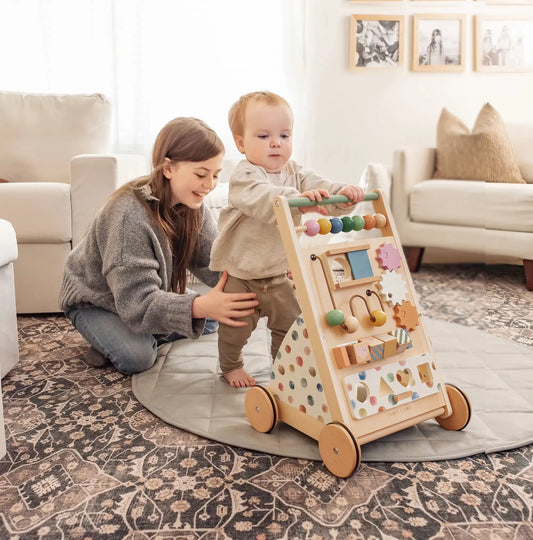
Cozy Corners: Why Every Child Needs a Quiet Space
There's something magical about a cozy corner: a small, tucked-away place where the world feels gentler and quieter. As adults, we know how comforting it can be to curl up in a nook with a blanket, a soft pillow, or a warm cup of tea.
Children can benefit from having that same sense of comfort and personal space, especially when their day feels busy, noisy, or overwhelming.
But unlike adults, they don't always know how to ask for space. They don't know how to say, "I need a moment," or "I feel overwhelmed," or "I want somewhere to rest."
Which is why giving them a cozy corner, a dedicated quiet space within your home, can be such a powerful gift. It gives them a familiar place to pause, play quietly, read, or simply take a break when they need one.
Cozy Corner Overview
A cozy corner gives children a comfortable place to pause, play independently, read, and process everyday emotions. Its design can be simple, adaptable, and shaped around each child's preferences, from soft seating and books to gentle lighting and familiar items. Thoughtful placement, appropriate privacy, and age-appropriate choices help make the space practical. Little Heirloom Society brings comfort, character, and timeless design to children's spaces that evolve with them.
Quiet Spaces Can Help Children Take a Break From Big Feelings
Childhood is full of big emotions.
Joy. Frustration. Excitement. Overwhelm.
Sometimes all before noon.
A cozy corner gives children a familiar place where they can slow down and take a break when the sights, sounds, or emotions around them start to feel like too much. The American Academy of Pediatrics also recommends creating a quiet room at home for play and family activities, noting that quiet is important for children’s health and learning. American Academy of Pediatrics: How Noise Affects Children. It can become:
-
A quiet place to pause and reset
-
A comfortable retreat from a busy environment
-
A personal space for reading, drawing, or thinking
-
A peaceful spot where they can spend a few moments on their own
It’s not a timeout space.
It’s a space they can choose when they need some quiet.
That difference matters. A cozy corner works best when children associate it with comfort and choice, rather than punishment or being sent away.
Cozy Corners Encourage Independent Play
When children have a quiet, inviting nook, they may be more likely to spend time there on their own.
They read.
They pretend.
They draw.
They daydream.
They curl up with their favorite blanket or a book and enjoy a few quiet moments.
This kind of independent play gives children room to explore their interests, practice focus, and use their imagination without constant direction from an adult. A cozy corner is like an invitation to slow down and choose what they want to do.
A Cozy Corner Doesn’t Have to Be Big
What matters is not the size of the space, but whether it feels comfortable, inviting, and easy for your child to use.
Your cozy corner might be:
-
A small reading nook
-
A corner with soft pillows and a floor cushion
-
A canopy over a comfortable rug
-
A basket of books next to a soft, child-friendly light
-
A tiny tent filled with favorite books, toys, or comfort items
You can create a quiet corner in an unused bedroom corner, beside a bookshelf, under a lofted bed, or even in part of a larger playroom. The goal is to give your child a defined spot that feels familiar and a little bit like their own.
A large room can offer plenty of possibilities, but a smaller, clearly defined nook can make it easier for children to understand that they have a dedicated place to read, play quietly, or take a break.
The Power of Comfort in a Child’s Environment
Comfortable textures and gentle sensory elements can make a quiet space feel more inviting, but every child has different preferences. The Child Mind Institute notes that children may respond differently to sensory experiences such as sound, light, touch, and smell. That's why blankets, pillows, plush rugs, canopies, and gentle lighting may appeal to some children, while others may prefer a more open space with fewer textures or less visual stimulation. Paying attention to what your child naturally finds comfortable can help you shape the space around them.
When a cozy corner includes familiar items your child enjoys, it can send a simple message:
“You can relax here.”
“You can take your time here.”
“This is your space to rest or play.”
The best cozy corner is not the one with the most soft furnishings. It’s the one that matches your child’s individual comfort and sensory preferences.
Why Cozy Corners Support Emotional Development
Quiet spaces can give children an opportunity to practice noticing what they need and choosing an appropriate way to take a break.
A cozy corner can encourage them to:
-
Pause when they need some quiet
-
Take breaks when their surroundings feel overwhelming
-
Choose a calming or quiet activity
-
Build awareness of their feelings and preferences
Over time, these small opportunities can help children become more familiar with taking breaks, expressing their needs, and finding activities that help them feel comfortable.
It’s a simple form of independence: giving children a space where they can make small choices about how they want to spend a quiet moment.
How to Create a Cozy Corner That Feels Magical
You don’t need much. Just a few intentional pieces that make the space comfortable, inviting, and easy for your child to use:
-
A soft rug
-
A plush pillow or comfortable floor cushion
-
A cozy blanket
-
Warm, gentle lighting
-
A few favorite books or quiet activities
-
A canopy or tent if it suits your child and the space
-
A color palette that feels calm and quiet
-
A small basket or shelf to keep favorite items within easy reach
Think about your child's personality when choosing what goes into the corner. A child who loves reading might want a little bookshelf, while another may prefer drawing materials, stuffed animals, or a few quiet toys. A quiet, comfortable reading spot can also make it easier to build reading into everyday routines, and the American Academy of Pediatrics points out that giving children a dedicated, low-distraction place to enjoy books can make shared reading time easier to sustain.
The goal isn’t styling perfection; it’s creating a space your child actually wants to spend time in.
Bring thoughtful comfort and timeless character to your child's space with Little Heirloom Society.
Explore the CollectionWhy Cozy Corners Fit So Deeply Into Our Mission
At Little Heirloom Society, we believe children deserve spaces that support both their everyday play and their need for comfort, quiet, and personal expression.
A cozy corner can be a simple way to create that kind of environment. It gives children a place that feels uniquely theirs, where they can rest, imagine, read, play quietly, or simply enjoy a few moments without expectation.
For us, thoughtful children's spaces are about more than how a room looks. They’re about creating an environment that feels welcoming, purposeful, and made with childhood in mind.
A Cozy Corner Is a Love Letter in Disguise
A thoughtfully created quiet space can tell your child:
“This room has space for your feelings.”
“This home has room for your quiet moments.”
“You have a place here where you can be yourself.”
You don’t need a large room or elaborate décor to create that feeling. Sometimes, a small corner, a favorite book, and a comfortable place to sit are enough to make a child feel that they have a space of their own.
Designing a Sensory-Balanced Quiet Space
A cozy corner does more than offer physical comfort; it supports a child’s sensory system. By thoughtfully balancing light, texture, sound, subtle scents, and grounding pressure, you create an intentional environment that helps kids regulate big emotions, reduce everyday overwhelm, and feel safe resting in their own space.

Create a Cozy Space They’ll Love With Little Heirloom Society
Creating a quiet corner is one small way to make childhood feel more considered. At Little Heirloom Society, we create thoughtfully designed pieces that bring comfort, character, and intention to children’s spaces. With an emphasis on timeless design and meaningful details, we help families create rooms children can truly grow into and enjoy.
Give your child's space a little more heart with thoughtfully designed pieces from Little Heirloom Society.
Create Their Space with Us
Emma Brooks
Emma Brooks is a nursery and children's interiors writer with over 8 years of experience covering nursery design, child-friendly furniture, playroom organization, and family living. She enjoys helping parents create beautiful, functional spaces through practical advice, product insights, and thoughtful ideas that support children's growth, creativity, and everyday family life.